

Types of Drains for Residentials: A Comprehensive Guide
When it comes to maintaining a residential property, proper drainage is key to ensuring that water flows away from your home safely and efficiently. A well-designed drainage system is essential to avoid damage to your home or business, including waterlogged yards, foundation issues, and even mould growth. Whether you’re building a new home or maintaining an existing one, understanding the different types of drains and their functions is crucial.
In this article, we’ll explore the common types of drains used in residential properties in Perth, highlighting their advantages and when you might need repairs for drainage issues.
1. Surface Drains
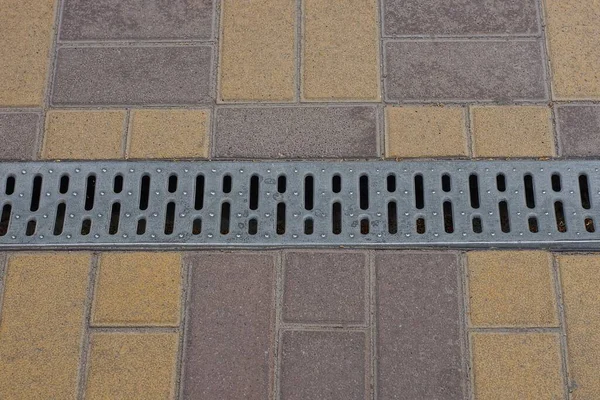
Surface drains are designed to remove excess water from the ground surface. They are typically installed in areas prone to pooling water, such as patios, driveways, or low-lying parts of your yard. The drain system collects and diverts water that accumulates on the surface before it can seep into your foundation or cause erosion. These drains are perfect for handling stormwater runoff and preventing flooding around your home.
Surface drains are usually combined with grates or channels that allow water to flow into the drain without obstruction. They’re ideal for areas where surface water is more of a concern than groundwater. Drain installations in Perth often include surface drains to manage the unique weather conditions in the region, particularly during the wet season.
2. French Drains
A French drain is a more advanced drainage system designed to redirect water that flows beneath the surface of your property. It consists of a perforated pipe surrounded by gravel, which allows water to enter the pipe and flow away from the area. French drains are especially useful in areas where groundwater accumulates, such as basements or areas with poor soil drainage.
These systems are installed at an incline to direct water away from your home. French drains are often used in residential properties with high water tables or areas where the soil doesn’t allow water to naturally flow away. When performing drainage repairs, it’s important to ensure that the gravel surrounding the pipe remains unclogged and that the pipe itself is free from debris. If the system fails, the result can be standing water and potential damage to your property’s foundation.
3. Gully Drains
Gully drains are typically installed in driveways, streets, or other paved areas. They are designed to catch and direct stormwater into the main sewer system or to a stormwater pit. These drains are especially important in urban areas like Perth, where the accumulation of water from heavy rainfall can overwhelm natural channels. Gully drains use a grated cover to trap debris while allowing water to flow through the openings into the drainage system below.
One of the drain problems with gully drains is clogging. If leaves, dirt, or other debris obstruct the grate, water can overflow, leading to flooding in your driveway or yard. Regular drain repairs in Perth are often required to keep these systems clear of debris and functioning properly, particularly after storms or heavy rainfall.
4. Channel Drains
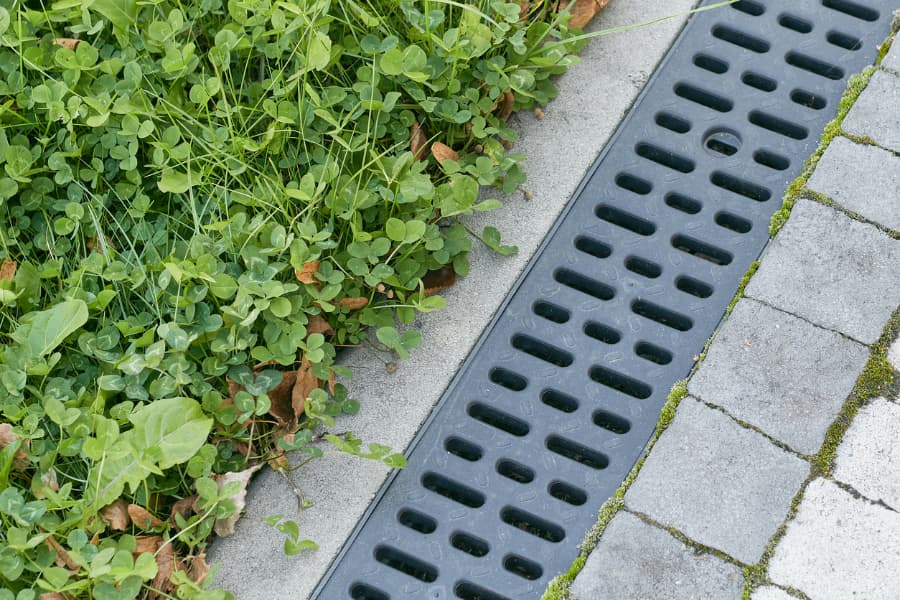
Channel drains are similar to gully drains but typically cover a larger area. They are often installed in commercial properties but can also be useful in residential settings where significant surface water is expected. Channel drains are long and narrow, usually installed along the perimeter of a property or around the foundation of a home to guide water away from the building.
These drains can be covered with metal or plastic grates, which help filter out larger debris. They are often used in areas with hardscapes, like walkways, patios, and driveways, where water needs to be channeled into a stormwater system. The key to long-term success with channel drains is ensuring that the channels don’t become blocked by debris, especially in areas where leaves or dirt accumulate quickly.
5. Trench Drains
Trench drains are a larger and more complex drainage solution designed for high-volume water management. They are typically installed in areas where heavy water runoff is expected, such as around swimming pools, large parking lots, or near the foundation of a property that may be at risk of flooding. Trench drains are essentially long, narrow ditches with a drainage pipe running along the bottom to collect and redirect water.
These drains require more detailed installation and maintenance than other types of drains, as they are usually deeper and longer. If you notice pooling water near a trench drain, it’s essential to address the issue promptly with drainage repairs to prevent erosion or property damage.
6. Interceptor Drains
Interceptor drains are designed to intercept and redirect water that could otherwise create problems in your yard or basement. These drains are often installed around the perimeter of a property or at specific points where water tends to gather. The interceptors collect the water and direct it away from the foundation, preventing it from entering the home or pooling in unwanted areas.
These drains are particularly useful for properties located in flood-prone areas or areas with heavy rainfall. If your property has issues with standing water or drain blockages, an interceptor drain can be an effective solution. Be sure to keep these drains clear from debris and conduct periodic drain repairs to ensure they perform efficiently.
7. Downpipe Drains
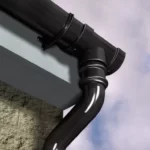
Downpipe drains are essential components of a home’s gutter system. They collect rainwater from the roof and direct it away from the foundation of the house. These drains are usually connected to a stormwater system or a rainwater tank, which helps to collect and reuse water for landscaping or other purposes.
It’s important to ensure that downpipe drains are clear of debris, as blockages can cause water to overflow, leading to potential damage to your home’s exterior and foundation. Regular maintenance and inspection of your downpipe system can help avoid these issues, especially during the rainy season in Perth.
Conclusion
Choosing the right type of drain for your residential property is essential for protecting your home and ensuring that water flows efficiently away from your property. From surface drains to French drains and sump pumps, each type of drain serves a specific purpose in managing water. Whether you’re looking to install new drains or perform drain repairs in Perth, it’s important to consult with Perth plumbers to ensure that your drainage system is up to the task.
If you’re looking for reliable and efficient drainage solutions, look no further. At Liquid Force Plumbing & Gas, we provide expert backyard drainage repairs and drain installations in Perth, ensuring your home remains safe and dry, no matter the season. Our team is equipped with the latest tools and expertise to handle all types of drainage systems. Contact us today at 0422 673 766 or visit our booking page for a free consultation!