

Should You Install a Backflow Prevention Device for Your Home?
When it comes to your home’s plumbing, safety and health often depend on things you can’t see. One of the most overlooked risks is water backflow, a problem that can cause contamination of your drinking water. In Perth, this is an important consideration, not only for homeowners but also for compliance with local regulations. A backflow prevention device is the safeguard designed to keep your household and community water supply safe.
What Is Water Backflow?
Water backflow occurs when the normal flow of clean water reverses direction. Instead of moving safely from the mains into your taps and fixtures, contaminated water from sources like garden hoses, pools, or appliances flows backward into the potable water supply. This can happen for two main reasons:
- Back siphonage: A sudden drop in water pressure in the mains creates suction, pulling potentially contaminated water back into the system.
- Back pressure: When pressure in residential plumbing is higher than the supply pressure, water can push back into the mains.
Both scenarios can compromise water quality and pose health risks if not properly controlled.
What Is a Backflow Prevention Device?
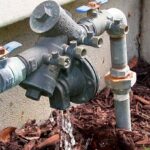
A backflow prevention device is a valve or assembly installed in your plumbing system that ensures water flows in only one direction into your home. It acts like a one-way gate, stopping contaminated water from re-entering the public water supply.
There are several types of devices, ranging from simple check valves for low-risk residential use to more advanced reduced pressure zone (RPZ) assemblies used in high-risk commercial settings. The right choice depends on your property’s risk level and usage.
Why Is Backflow Prevention Important?
Backflow isn’t just a plumbing inconvenience; it’s a genuine health and safety issue. Here’s why installing a backflow prevention device matters:
- Protects health: Prevents cross-contamination between potable water and sources of pollutants such as chemicals, fertilisers, or bacteria.
- Meets regulations: Water corporation requires certain properties to have approved devices installed and maintained.
- Safeguards the community: Even a small home plumbing system can affect the wider mains supply if backflow occurs.
- Protects appliances: Prevents damage to hot water units, irrigation systems, and filtration systems caused by reverse water flow.
Do You Need One for Your Home?
Not every home is automatically at high risk of backflow, but many common household setups can trigger the need for prevention measures. You may need a device if you have:
- Irrigation systems or garden hoses connected to chemicals or fertilisers
- Swimming pools or spas connected to your home’s plumbing
- Fire sprinkler systems or rainwater tanks plumbed into your mains
- Multi-storey plumbing systems with pumps or pressure boosters
Even if your property isn’t classified as high risk, a backflow prevention device adds peace of mind. With Perth’s water supply being such a vital community resource, prevention is always better than cure.
The Role of Backflow Testing
Installing a device is only half the solution. Backflow testing is critical to ensure the system is working correctly. Over time, valves and seals can fail, meaning your device might not provide the protection you expect.
In Perth, licensed plumbers are required to perform annual backflow testing on medium and high-risk devices. This not only keeps you compliant but also ensures your household water remains safe year-round.
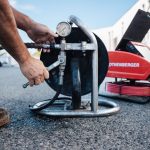
During a test, a plumber checks water pressure, verifies the integrity of the device, and provides a certificate for your records. It’s a quick, straightforward process that could prevent serious health risks.
Common Signs of Backflow Issues
While devices and testing reduce risks, it helps to know the warning signs of water backflow:
- Water from your taps looks cloudy or discoloured
- There’s a strange taste or odour in your drinking water
- Water pressure suddenly drops across your home
- Appliances like dishwashers or washing machines behave irregularly
If you notice these signs, it’s important to call a licensed plumber immediately to carry out inspection and testing.
Choosing the Right Device for Your Property
Not all backflow prevention devices are created equal. The type required depends on the level of risk associated with your plumbing setup:
- Low risk: Dual check valves or hose tap vacuum breakers
- Medium risk: Double check valve assemblies
- High risk: Reduced pressure zone (RPZ) devices
A qualified plumber can assess your property, determine the risk level, and recommend the most suitable device. The goal is to match protection with practicality, ensuring compliance without unnecessary expense.
Installation and Maintenance in Perth
Installation of a backflow prevention device must be carried out by a licensed plumber. This guarantees correct placement, compliance with Water Corporation standards, and peace of mind that your property is safe.
Once installed, regular backflow testing is essential. Typically, devices are inspected annually, but higher-risk systems may require more frequent checks. Maintenance may involve cleaning, replacing seals, or upgrading the device if regulations change.
The Cost of Protection
The cost of installing a backflow prevention device varies depending on property type, device complexity, and installation requirements. While some households may need only a simple dual check valve, larger properties with irrigation or pool systems may require more advanced solutions.
When considering the expense, it’s important to weigh it against the potential cost of contaminated water: health risks, medical bills, property damage, and non-compliance penalties. Viewed this way, installation is a small investment for long-term protection.
Backflow Prevention and Perth’s Water Community
Water is one of Perth’s most valuable resources. Protecting it isn’t just a regulatory box to tick, it’s a responsibility shared by all residents. By installing a backflow prevention device and scheduling regular backflow testing, you’re contributing to a safer, healthier community.
At a household level, you’re protecting your family. At a city-wide level, you’re helping maintain the integrity of Perth’s water supply for everyone.
Final Thoughts
So, should you install a backflow prevention device for your home plumbing? If your property includes features like irrigation, pools, or rainwater systems, the answer is almost certainly yes. Even if not required, the additional protection and peace of mind make it worthwhile.
Backflow prevention is about more than compliance, it’s about safeguarding health, protecting your property, and ensuring Perth’s water remains clean and reliable for generations to come. Combine the right device with regular backflow testing, and you can rest easy knowing your home and community are safe.
If you’re looking to protect your home and ensure the safety of your water supply, Liquid Force Plumbing & Gas is here to help. We offer extensive broken water pipe repairs and backflow prevention services across Perth. Contact us today at 0422 673 766 or book a service online to schedule your backflow assessment and safeguard your water supply.