

Understanding Pipe Relining Process for Your Home Plumbing
When it comes to plumbing issues, many homeowners in Perth, Australia, often face the dilemma of traditional pipe replacement versus modern methods like pipe relining. While traditional methods can be disruptive and costly, pipe relining offers a less invasive, cost-effective solution. If you’ve been hearing more about sewer pipe relining and drain pipe relining, it’s important to understand how these innovative techniques can save you time, money, and hassle in maintaining your plumbing system. In this article, we’ll walk you through the pipe relining process and why it’s a game-changer for your home plumbing.
What Is a Pipe Relining?
Pipe relining is a trenchless technology that repairs damaged pipes without the need for traditional excavation. This process involves inserting a new pipe within the existing one, effectively “relining” the old pipe. This method is especially useful for fixing cracked, collapsed, or corroded pipes, which are common in older homes. Whether you are dealing with a broken water pipe or a blocked drain, pipe relining is a modern solution that minimizes disruption to your property.
How Professionals Perform Pipe Relining
1. Initial Inspection and Diagnosis
The first step in pipe relining is a thorough inspection of the pipes. Plumbers use high-tech cameras and CCTV equipment to inspect the condition of the pipes. This allows them to detect issues such as cracks, leaks, or blockages in your drain pipe relining system. Once the problem areas are identified, the technician can provide a detailed report, helping you make an informed decision about the best course of action.
2. Cleaning the Pipes
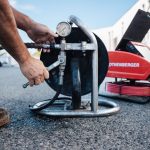
Before the relining pipes process can begin, the damaged pipes need to be thoroughly cleaned. This is typically done using high-pressure water jets or mechanical devices to remove any debris, tree roots, or grease that may be obstructing the pipes. A clean pipe surface is essential to ensure that the pipe relining material adheres properly, resulting in a strong, durable finish.
3. Applying the Liner
Once the pipes are cleaned, the next step is to insert the relining pipe. A felt liner soaked in a special resin is carefully inserted into the existing pipe. The resin is typically made from epoxy or polyester materials, which are highly durable and resistant to corrosion. The liner is inflated inside the old pipe, forming a tight bond with the inner surface of the existing pipe. This creates a new, seamless pipe within the old one, effectively repairing any damage.
4. Curing the Liner
After the liner is in place, it must cure to harden and form a strong, permanent bond. This curing process can take place in a couple of ways. The most common method is using hot water or steam to activate the resin, allowing it to harden and cure in place. This process can take anywhere from a few hours to a day, depending on the size and complexity of the job. Once cured, the liner becomes a solid, seamless pipe that is resistant to leaks, cracks, and corrosion.
5. Final Inspection and Testing
After the pipe relining process is complete, a final inspection is carried out. This involves using the CCTV cameras again to inspect the new lining and ensure that everything has been installed correctly. Any issues or imperfections can be addressed before the project is deemed complete. The plumbing system is also tested to ensure everything is functioning properly, with no leaks or blockages.
Benefits of Pipe Relining for Homeowners
1. Cost-Effective
Compared to traditional pipe replacement, pipe relining is a more affordable option. It eliminates the need for extensive excavation, which can be costly due to labor, machinery, and the need to restore landscaping. With relining pipes, the process is quicker and more efficient, which translates to lower costs for homeowners.
2. Less Disruption
Traditional pipe replacement often involves digging up large sections of your property, which can be disruptive to your daily life and damaging to your landscaping. With pipe relining, there’s no need for major excavation. The process can be completed with minimal disruption, and your yard, driveway, or garden will remain intact.
3. Durability
The materials used in pipe relining, such as epoxy and polyester resins, are designed to last. Once installed, the new lining creates a seamless, corrosion-resistant barrier that is highly durable and capable of withstanding high water pressures. Pipe relining provide long-lasting results, often with warranties of up to 50 years, making it a reliable solution for your plumbing system.
4. Improved Flow and Performance
Damaged pipes can cause blockages, slow drainage, and leaks, which can lead to water damage in your home. Pipe relining restores the full functionality of your pipes by creating a smooth, unobstructed flow. Whether it’s a sewer pipe or drain pipe, the smooth inner surface of the newly relined pipe reduces the chances of future blockages and improves the overall performance of your plumbing system.
5. Environmentally Friendly
One of the key benefits of pipe relining is its minimal impact on the environment. Because the process doesn’t require extensive excavation, it reduces the need for heavy machinery and minimizes the amount of waste generated. This makes pipe relining an environmentally friendly alternative to traditional pipe replacement.
When Should You Consider Pipe Relining?
While pipe relining is a highly effective solution for many plumbing issues, it’s important to know when to consider it for your home. Common situations where drain pipe relining or sewer pipe relining may be necessary include:
- Frequent Blockages: If your drains are consistently clogged, it could be a sign of damaged pipes. Pipe relining can fix these issues by restoring the integrity of the pipes.
- Leaking Pipes: If you notice water stains on your walls or ceilings, it could be due to leaking pipes. Sewer pipe relining offers a permanent solution to prevent leaks.
- Tree Root Intrusion: Tree roots can invade pipes, causing cracks and blockages. Pipe relining is highly effective in sealing these cracks and preventing future root intrusion.
- Corroded Pipes: Older pipes, particularly those made of metal, are prone to corrosion over time. Relining pipes with a modern, durable material can extend the life of your plumbing system.
In Summary
Pipe relining is a highly efficient and cost-effective method for repairing damaged pipes in your home. Whether you’re dealing with a leaking sewer pipe or blocked drain, this innovative technique can provide long-lasting solutions without the need for expensive and disruptive excavation. With its durability, minimal disruption, and environmental benefits, pipe relining is the ideal choice for homeowners looking to improve their plumbing systems.
At Liquid Force, our professional plumbers are equipped with the latest technology and expertise to provide seamless drain repairs and pipe relining solutions for homes throughout the Perth region. Contact us today at 0422 673 766 or fill our booking form to schedule a consultation and experience top-tier service around Perth, backed by years of industry experience.