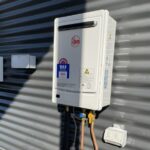


How to Detect a Gas Leak in Your Home
Gas leaks are a serious concern for homeowners, as they can pose significant risks to health and safety. Whether it’s a slow trickle or a major emergency, it’s essential to detect gas leaks early to prevent accidents. In this guide, we’ll walk you through the common signs of a gas leak and how to detect one in your home.
Recognizing Gas Leak Symptoms
Gas leak symptoms can vary depending on the level of exposure. If you notice any of the following signs, it’s essential to take action immediately:
- Strong Odor of Gas: As mentioned earlier, the smell of rotten eggs is the most immediate and obvious indicator that a gas leak may be present in your home.
- Hissing or Whistling Sound: If you hear a hissing or whistling sound near your gas appliances or pipelines, it could mean there’s a gas leak. This sound is produced when gas escapes from a crack or leak in the system.
- Dead or Dying Plants: Gas leaks can sometimes be detected by the condition of your indoor plants. Natural gas displaces oxygen, which can cause plants to wilt or die, even without a noticeable odor.
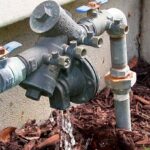
- Bubbles in Water: If you notice bubbles in standing water, it could mean there’s a gas leak underground. Gas escaping into the water supply can cause bubbles to form on the surface.
- Physical Symptoms: Prolonged exposure to a gas leak can cause symptoms in people and pets, such as dizziness, nausea, headaches, and fatigue. If these symptoms occur and seem to improve once you leave the area, it may be a sign of gas exposure.
If you or anyone in your home is feeling ill, particularly after detecting a gas leak smell, it’s crucial to seek fresh air immediately and call for emergency assistance.
How to Detect a Gas Leak in Your Home
Gas leak detection is crucial for maintaining a safe living environment. Here’s how you can detect a gas leak before it becomes a dangerous emergency:
1. Use Your Nose
The most obvious way to detect a gas leak is through your sense of smell. If you notice the unmistakable odor of rotten eggs, immediately turn off all gas appliances, open windows and doors, and avoid using any electrical switches or devices that could spark a fire.
2. Check for Visible Signs
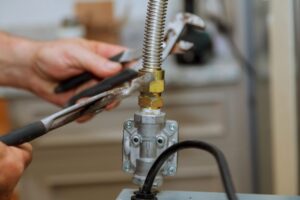
Sometimes, gas leaks may be visible, especially if the leak is large. Look around your gas lines and appliances for signs of damage or wear. Cracks in pipes, or disconnected gas fittings, can be warning signs that gas is escaping. If you notice a visible leak, do not attempt to fix it yourself – turn off the gas supply and call a professional immediately.
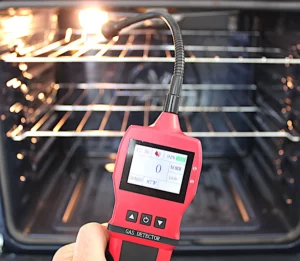
3. Use a Gas Leak Detector
One of the best ways to detect a gas leak is by using a gas leak detection device. These tools are designed to detect the presence of natural gas or other combustible gases in the air. They are easy to use and can give you peace of mind knowing your home is free of leaks. If you don’t already have one, it’s worth investing in this essential tool.
4. Soap and Water Test
This is a simple and effective way to detect a gas leak on small pipes or connections. Mix a small amount of soap with water, and apply it to the gas line and connections using a cloth or sponge. If there’s a leak, you’ll see bubbles forming at the point of the escape. If bubbles appear, it’s time to call a plumber or gas technician to handle the repair.
5. Hire a Professional for Gas Leak Detection
While DIY methods can help you detect gas leaks, it’s always best to rely on a professional gas plumber for thorough inspection and detection. A licensed expert can use specialized tools and techniques to locate hidden leaks that may not be immediately visible or detectable by smell. Additionally, they can offer advice on how to prevent future leaks from occurring.
Emergency Gas Leak: What to Do Immediately
In the event of a gas leak emergency, the first and most important step is to stay calm and take immediate action. Here’s what to do:
- Turn Off the Gas Supply: If you can do so safely, turn off your gas supply at the meter. This will stop the flow of gas to your home and reduce the risk of an explosion or fire.
- Evacuate the Area: Evacuate everyone from the building immediately, including pets. Once outside, move away from the house and stay at a safe distance.
- Do Not Use Electrical Appliances: Do not flip switches, use your phone, or do anything that could cause a spark. Sparks can ignite gas and lead to dangerous explosions.
- Call for Help: Call your gas provider or a licensed gas plumber immediately. If it’s a major emergency, dial emergency services. You need an expert to locate and repair the gas leak safely.
What Does a Gas Leak Smell Like?
The first step in identifying a gas leak is understanding what it smells like. Natural gas, which is commonly used for cooking, heating, and hot water, is odorless on its own. However, a strong, distinct odor is added for safety purposes and it’s often compared to the smell of rotten eggs. This pungent odor is your first clue that there may be a gas leak in your home.
If you catch a whiff of this smell, it’s critical not to ignore it. A gas leak can be dangerous and should be treated as an emergency.
Preventing Future Gas Leaks
Gas leaks are preventable with proper maintenance and care. Here are a few tips to help prevent future leaks:
- Schedule Regular Inspections: Have a licensed gas plumber inspect your gas lines and appliances regularly. This can help catch small issues before they become big problems.
- Maintain Appliances: Ensure all gas appliances are serviced and maintained regularly to keep them in good working order. Faulty appliances are often the source of gas leaks.
- Be Mindful of Construction Work: If you’re doing any renovations or construction work at home, ensure that you don’t accidentally damage your gas lines. Always consult a professional before making any changes.
Conclusion
Gas leaks can happen unexpectedly, but with the right knowledge and proactive measures, you can reduce the risks to your home and family. By recognizing gas leak symptoms and using the appropriate detection methods, you can spot a gas leak early and prevent serious issues. Always trust professionals for emergency gas leak detection and gas cooktop installation, and prioritize regular maintenance to keep your gas system safe and efficient.
At Liquid Force Plumbing & Gas, we’re dedicated to providing high-quality, reliable, and safe gas leak detection and LPG gas installation services to homes across Perth. We’re committed to your safety and peace of mind, ensuring that every gas appliance in your home operates without risk.
If you suspect a gas leak in your home, don’t wait! Call us today at 0422 673 766 or fill our booking form for expert gas leak detection and immediate assistance in Perth areas. Your safety is our priority!