

How Stormwater Drains Work During Heavy Rain
When heavy rain hits, one of the first things we rely on to keep our streets and homes safe from flooding are stormwater drains. These essential systems help divert excess water away from built-up areas, preventing damage and maintaining a smooth flow of life. But have you ever wondered how stormwater drains actually work during heavy rain? Understanding their function and how they manage large amounts of water can help you appreciate their importance and know when to seek stormwater drain repairs in Perth.
What is a Stormwater Drain?
Stormwater drains are designed to manage and direct rainwater that runs off roofs, pavements, and other impermeable surfaces. These systems help to prevent localised flooding, preserve road safety, and protect property by directing excess water into a series of pipes, drains, and culverts. Unlike sewer systems that handle wastewater from homes, stormwater systems specifically manage rainwater and melted snow.
The design of these drains is key to their efficiency during periods of heavy rainfall. When functioning properly, stormwater drains allow water to flow away from residential and commercial areas, ensuring that public spaces stay dry and safe for everyone.
How Do Stormwater Drains Work?
During periods of heavy rain, stormwater drains function to channel large volumes of water into a controlled system that directs it away from populated areas. Here’s how the process works:
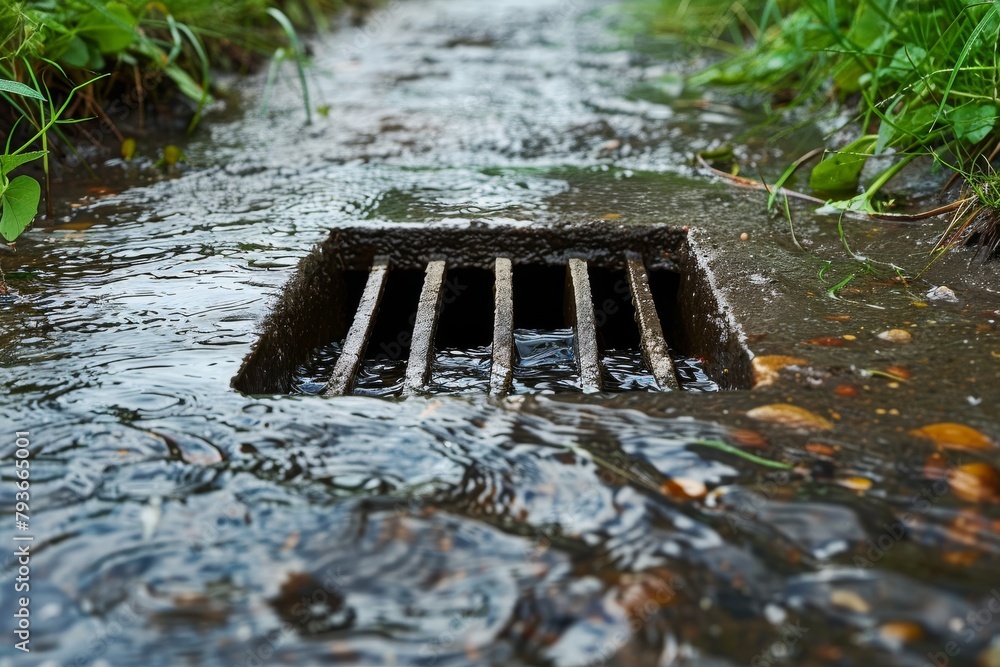
- Collection: Water from rooftops, streets, and paved areas flows into the stormwater drainage system through grates, open channels, or drains. These entry points are designed to catch and channel the water into pipes or underground tunnels.
- Transportation: Once collected, the water travels through a network of pipes. These pipes are typically made from durable materials like concrete, PVC, or steel, ensuring they can handle large amounts of water without becoming damaged. In some cases, these pipes lead directly to nearby rivers, lakes, or oceans, where the water can safely discharge.
- Discharge: Stormwater drains eventually discharge the water into natural bodies of water, ensuring that the flow of water does not create flooding risks or cause erosion. The drains are designed to prevent overflow, but if they’re blocked or damaged, the system can fail, leading to pooling or flooding.
The Impact of Blocked Stormwater Drains
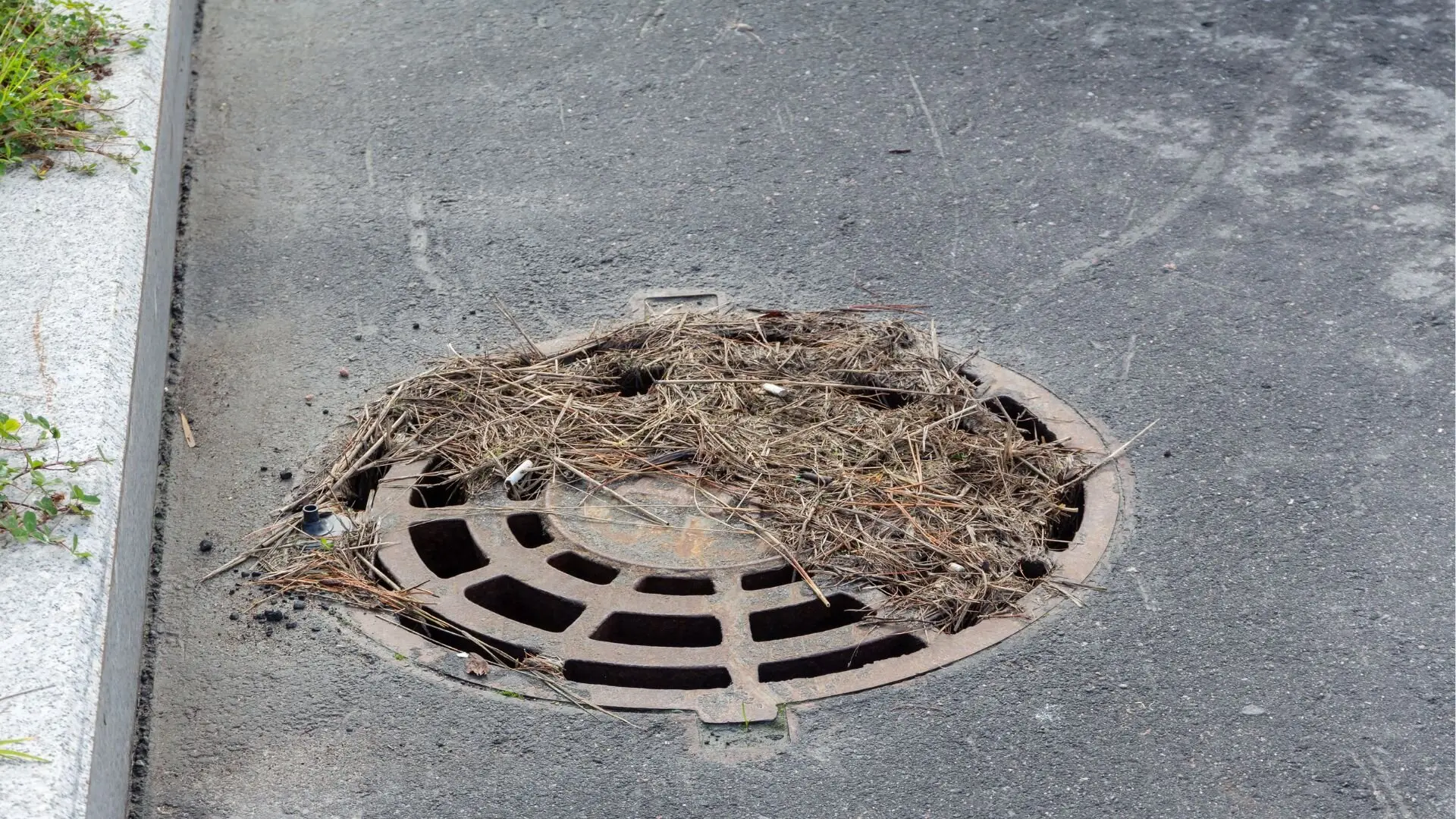
While stormwater drains are built to handle significant amounts of rainwater, their effectiveness can be compromised if the system becomes blocked. Common causes of blocked stormwater drains include:
- Debris Build-Up: Leaves, twigs, and other debris can accumulate in the drains over time, obstructing the flow of water. This is especially true after a storm, when trees shed their leaves.
- Sediment Accumulation: Over time, dirt and debris can settle at the bottom of drains, causing blockages that impede water flow.
- Grease and Oil: In some cases, cooking grease or oil can make its way into stormwater systems, causing clogs that are difficult to clear.
Blocked stormwater drains can lead to several issues, such as pooling water on streets or near properties, which increases the risk of water damage to buildings, roads, and landscaping. That’s why regular drain cleaning in Perth is essential to ensure that your stormwater drains function optimally when you need them most.
What Happens When Stormwater Drains Are Blocked During Heavy Rain?
When there’s heavy rainfall and a stormwater drain is blocked, water begins to pool, unable to flow freely through the system. This can result in several dangerous scenarios, including:
- Flooding: If the drain cannot handle the incoming water, the excess water can flood streets and properties, causing significant damage. This is particularly concerning in low-lying areas or places with poor drainage infrastructure.
- Erosion: Water that doesn’t drain away properly can start eroding the land, leading to long-term damage to the soil, roads, and nearby infrastructure.
- Pollution: Blockages in stormwater drains can lead to the water being unable to carry away pollutants such as oils, chemicals, and other contaminants. These pollutants can then spill into local waterways, posing a threat to the environment and public health.
- Public Safety: A blocked stormwater drain can create slippery conditions on roads and paths, increasing the risk of accidents. In heavy rainfall, these conditions are even more dangerous for motorists and pedestrians.
How to Maintain and Protect Your Stormwater Drains
To keep your stormwater drains running smoothly during heavy rain, here are a few maintenance steps you can take:
- Regular Drain Cleaning: Routine cleaning is the best way to ensure your drains remain clear of debris, leaves, and other materials that can cause blockages. Professional drain cleaning services in Perth can assist with this task, keeping your system in good shape year-round.
- Check for Debris: After a storm, it’s a good idea to check your property’s stormwater drains for visible debris. Clearing out any blockages quickly can prevent bigger problems during the next rain.
- Maintain Landscaping: If you have trees or shrubs near your drains, make sure to regularly trim back branches and leaves that might fall into the drains. This will help reduce the amount of organic matter that can build up.
- Install Drainage Covers: Adding mesh covers to your stormwater drain entry points can help keep out larger debris, preventing clogging and ensuring proper flow.
- Seek Professional Help: If you notice any signs of blockage or water pooling near your drains, it’s important to call for professional assistance. Drain cleaning Perth services can help clear out blockages and restore the proper flow of water before things get worse.
The Importance of Proactive Drain Care
As a property owner, staying on top of your stormwater drainage system is key to avoiding costly repairs and drainage issues in the future. Ensuring that your stormwater pipes are regularly cleaned and well-maintained is the most effective way to prevent flooding, erosion, and other drainage-related problems.
If you suspect your stormwater drains are blocked or need repairs, don’t wait until it’s too late. Consider contacting a trusted plumbing service to conduct thorough drain inspections and repairs. Whether you need drain cleaning in Perth or require blocked drain services, a professional can help restore your plumbing system and give you peace of mind during stormy weather.
Conclusion
Stormwater drains are the unsung heroes that protect our properties during heavy rain. By understanding how they work and maintaining them with regular cleaning and repairs, you can ensure that your drainage system remains effective when it’s needed most. Stay proactive with your drainage system and avoid costly repairs in the future. After all, a little prevention goes a long way in safeguarding your home or business from plumbing issues and drainage problems.
Ensure your stormwater drains are ready for heavy rain by scheduling a professional inspection and cleaning today. At Liquid Force Plumbing & Gas, we specialize in drain repairs and cleaning in Perth, keeping your property safe from water damage. Don’t wait for a blockage to cause problems! Contact us now at 0422 673 766 or book us online for reliable, expert service you can trust!